
Blood Clots: What You Don’t Know Could Be Dangerous
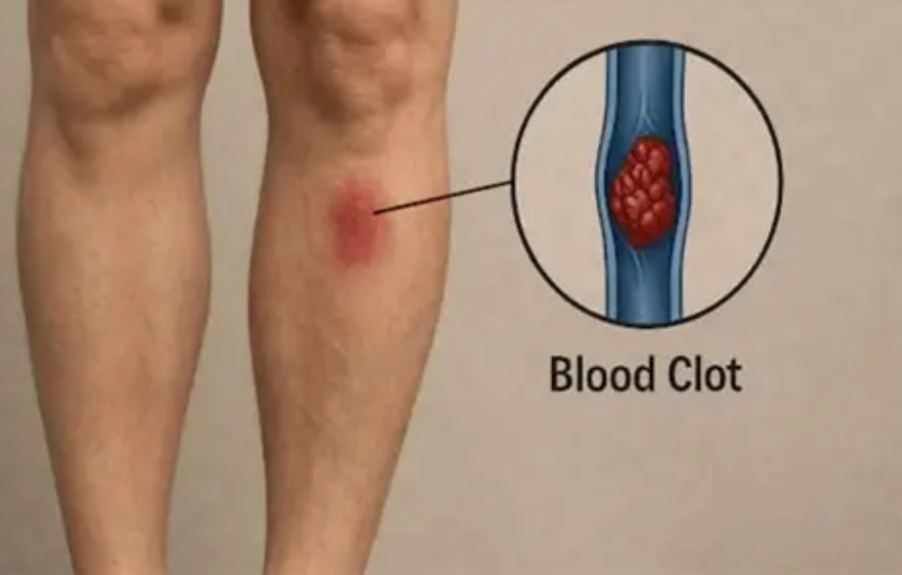
Blood clots are a normal and necessary part of healing. When you cut yourself, your body forms a clot to stop bleeding. In that setting, clots are protective.
But when a clot forms inside a vein without injury — and blocks normal blood flow — it can become life-threatening.
At Texas Cardiac and Vascular Institute (TCVI), we diagnose and treat vascular and circulation problems every day. Understanding how blood clots form, who is at risk, and when to seek care can make the difference between early treatment and a medical emergency.
How Do Blood Clots Form?
When a blood vessel is damaged, platelets and a protein called fibrin work together to form a clot. This process prevents hemorrhaging and supports healing.
Problems occur when clots form abnormally and obstruct blood flow. This blockage is called thrombosis.
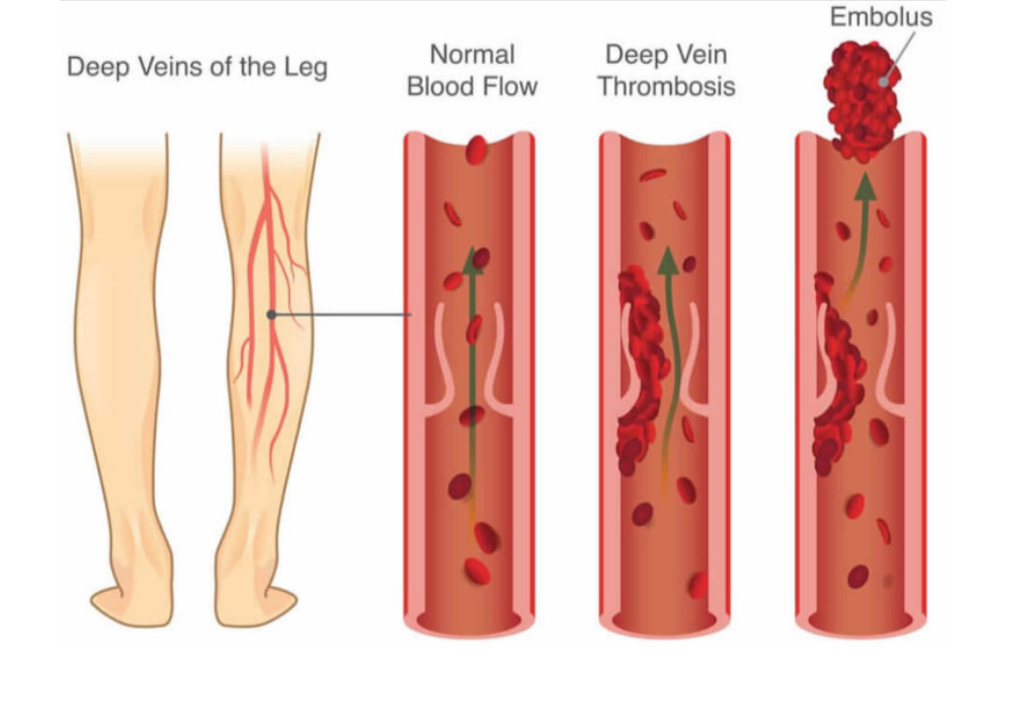
One of the most common types is Deep Vein Thrombosis (DVT) — a clot that typically forms in the:
Lower leg
Thigh
Pelvis
Arm
DVT most often affects the legs because blood must work against gravity to return to the heart. When circulation slows, clot risk increases.
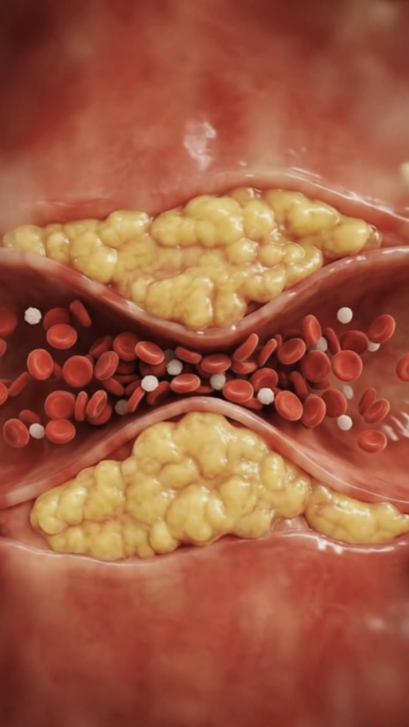
Why Blood Clots Are Serious
If left untreated, part of a DVT can break loose and travel to the lungs. This is called a pulmonary embolism (PE).
A pulmonary embolism can:
Damage lung tissue
Reduce oxygen levels
Strain the heart
Become fatal if large enough
Even when not immediately life-threatening, DVT can cause long-term complications. Some patients develop post-thrombotic syndrome (PTS) — chronic swelling, pain, and skin changes caused by vein damage.
Early detection is critical.
Risk Factors for Blood Clots
Blood clots often develop when circulation slows due to prolonged inactivity or compression of the veins.
Common risk factors include:
Obesity
Paralysis
Major surgery with long recovery
Recent hospitalization or extended bed rest
Long-distance travel (plane or car rides)
Smoking
Pregnancy
Certain cancers
Age over 65
You may also be at higher risk if you:
Have a family history of clotting disorders
Take hormonal birth control or hormone replacement therapy
Have had a previous blood clot
Some risk factors cannot be changed. Others can be managed with lifestyle adjustments and proper vascular care.
Warning Signs of a Blood Clot
Symptoms of DVT often appear suddenly and typically affect one leg more than the other. Watch for:
Pain or cramping in the calf or thigh
Swelling in one leg
Warmth
Redness or skin discoloration
If a clot travels to the lungs, symptoms may include:
Shortness of breath
Chest pain
Rapid heartbeat
Heart palpitations
Coughing up blood
These symptoms require immediate medical attention.
Why a Vascular Screening Matters
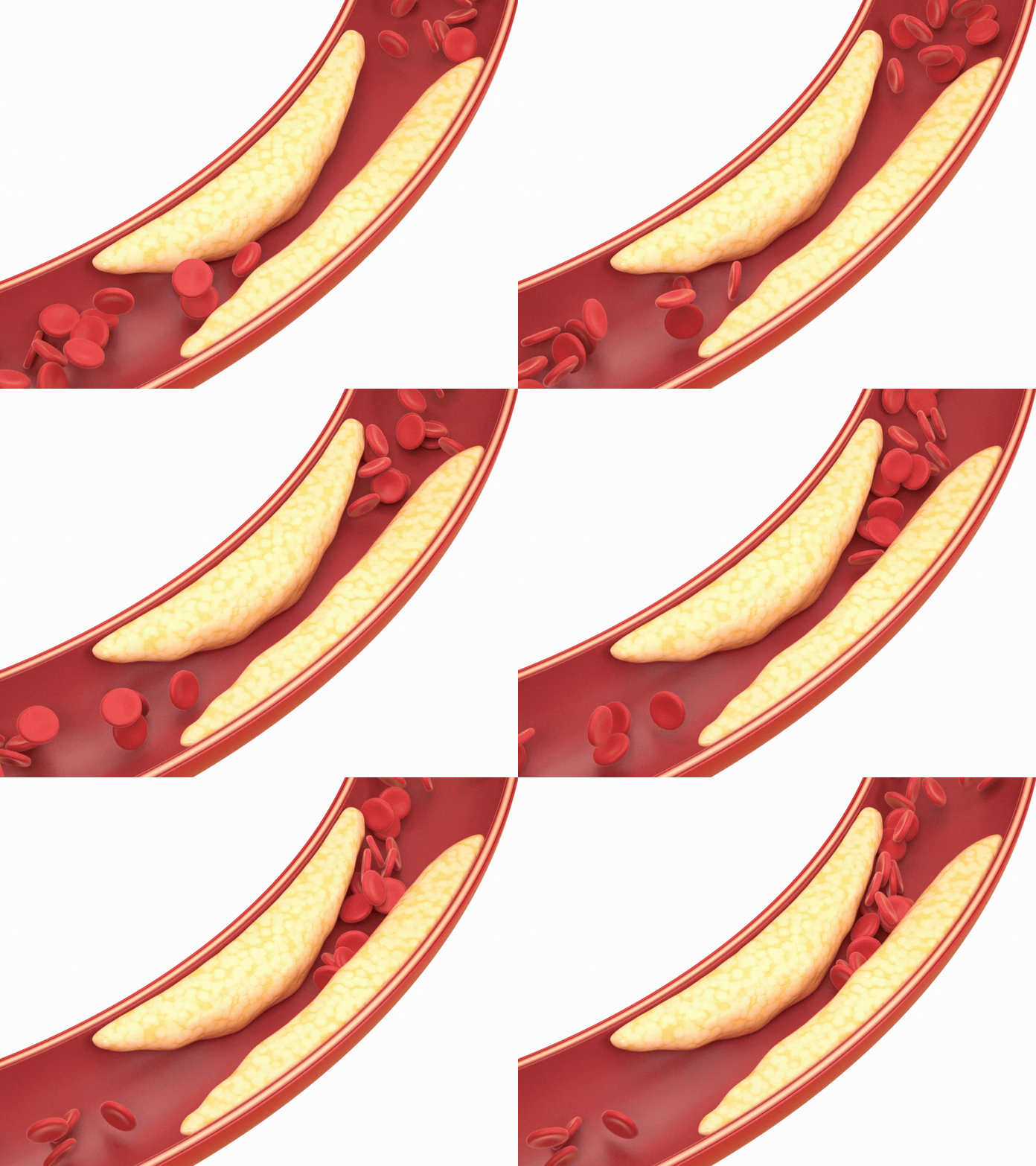
If you have risk factors, a history of clots, or unexplained leg symptoms, a vascular screening at TCVI can evaluate blood flow and detect circulation problems early.
A simple, non-invasive vascular evaluation can help determine whether you are at increased risk and whether preventive treatment is needed.
At Texas Cardiac and Vascular Institute, we specialize in diagnosing and treating vascular disease in an outpatient setting — without long hospital delays.
If you are concerned about blood clots or circulation issues, don’t wait.
Schedule a vascular evaluation at TCVI today. Early detection can protect your health — and your life.