
What Happens If Peripheral Artery Disease (PAD) Is Left Untreated?
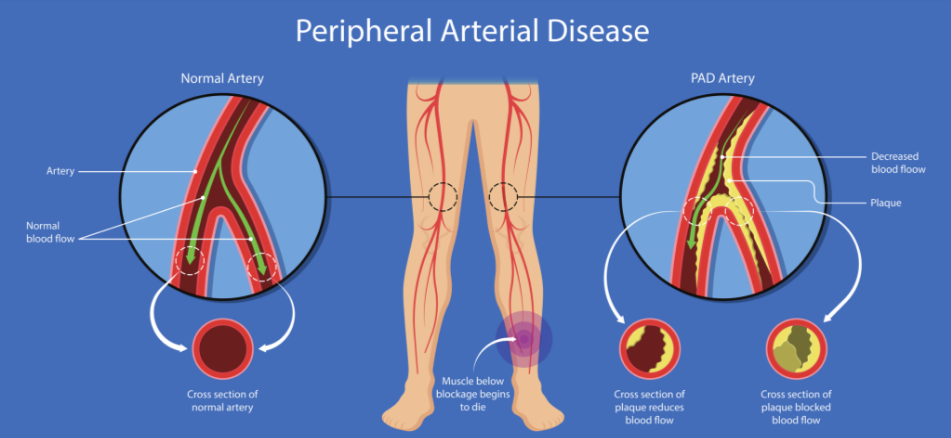
Peripheral Artery Disease (PAD) is one of the most serious circulation disorders affecting the legs. It develops when plaque builds up inside the arteries, reducing blood flow to the lower extremities.
Many patients ignore early symptoms, assuming leg pain is simply part of aging. However, untreated PAD can have life-altering consequences.
Early Signs of PAD
Symptoms often begin gradually and may include:
Cramping or aching in the calves when walking
Pain that improves with rest
Cold or numb feet
Shiny or discolored skin
Slow-healing wounds
Hair loss on the legs
Because symptoms may be subtle at first, patients often delay evaluation.
The Progression of Untreated PAD
Without treatment, PAD can worsen over time.
As blood flow becomes more restricted, patients may develop:
Pain even at rest
Non-healing ulcers
Infection
Tissue death (gangrene)
Increased risk of amputation
PAD is also a marker of systemic vascular disease. Patients with PAD are at significantly higher risk of heart attack and stroke.
Early Treatment Changes Outcomes
The earlier PAD is diagnosed, the more treatment options are available. A Texas vascular specialist can perform non-invasive testing and recommend:
Structured exercise programs
Medication management
Smoking cessation support
Angioplasty or stenting
Minimally invasive revascularization procedures
At Texas Cardiac & Vascular Institute, many PAD procedures are performed in our office-based lab, allowing for efficient treatment without hospital delays.
If you experience leg pain when walking or notice wounds that aren’t healing, evaluation should not wait.
Protecting circulation protects independence.