
Could Your Leg Symptoms Be a Circulation Problem — Even If They Seem Minor?

Many people don’t realize they have circulation problems until symptoms begin affecting daily life.
The reason is simple: vascular disease often starts quietly.
What feels like normal aging, muscle fatigue, or “just getting older” can sometimes be early signs that blood flow in the legs is changing.
You may notice:
Walking feels slightly harder than before
Legs feel heavy or tired sooner
Feet stay cold even when the rest of you feels warm
Small wounds take longer to heal
Individually, these changes may seem minor. Together, they can signal reduced circulation.
Why Circulation Problems Are Often Missed
Unlike sudden injuries, vascular disease develops gradually.
Your body adapts. You adjust your pace. You take more breaks. You avoid longer walks without realizing why.
Because symptoms build slowly, many people delay evaluation — assuming discomfort is normal.
But reduced blood flow doesn’t correct itself. Without evaluation, circulation issues may continue progressing beneath the surface.
What Vascular Screening Can Reveal
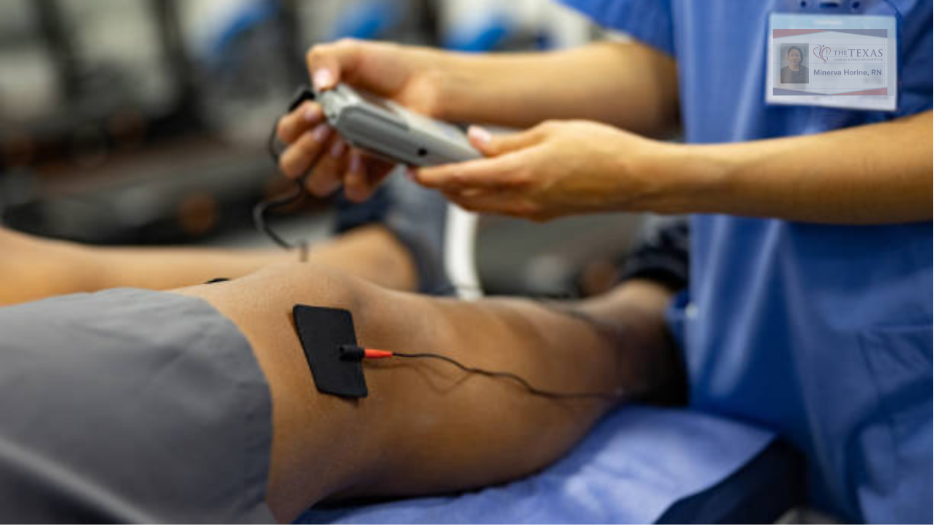
A vascular screening is designed to answer one important question:
Is blood moving through your legs the way it should?
Using quick, non-invasive tests — often ultrasound — specialists can assess circulation and identify early signs of:
Peripheral artery disease (PAD)
Arterial narrowing
Circulation changes affecting mobility or healing
These tests are painless, efficient, and performed in a comfortable outpatient setting.
Why Early Detection Makes Treatment Easier
When circulation problems are identified early, treatment is often less invasive and more effective.
Rather than waiting for symptoms to worsen, early evaluation allows providers to:
Restore blood flow sooner
Prevent progression
Help maintain mobility and independence
Many patients are surprised how much their symptoms improve once circulation is addressed.
A Different Approach to Vascular Care
Outpatient vascular care focuses on clarity and simplicity.
Instead of navigating complex hospital systems, patients experience:
Direct access to vascular specialists
One-on-one care
Faster answers and treatment planning

The goal is not just treatment — but understanding.
Should You Consider a Screening?
If you’ve noticed subtle changes in your legs, circulation testing may provide answers.
You don’t need severe symptoms to benefit from evaluation.
Understanding your circulation early allows you to stay ahead of potential problems — protecting your mobility and long-term vascular health.